

I love a weird, quirky sci-fi book. There’s just something so inherently fun about weird sci-fi – it often doesn’t take itself very seriously, freeing the author to let their imaginations run wild. It’s usually a lot of fun and I frequently find myself drawn to these kinds of stories – which is exactly why I ended up reading The Intergalactic Interloper. With a summary promising missing cats and two-headed alien turtles, I was immediately on board. And, having finished the book, it was well worth the read. While light on plot, The Intergalactic interloper is packed with fun and weird ideas and is immensely enjoyable. (4.5 out of 5 wands.)
(NOTE: An advanced copy of the book was provided in exchange for a fair review. Additionally, mild spoilers for The Intergalactic Interloper may follow.)
Continue readingOllie, a young East Village musician, woke up on the proverbial wrong side of the bed: His cat is missing, he is in trouble with his boss, and his friends all think he has lost his mind. This last one may have something to do with the story he tells them about spying a giant two-headed turtle from outer space on a nearby rooftop. But he swears it’s the truth. Ollie’s bandmate Zara is skeptical, but she still signs on to help him track down his vanished pet. Together they follow a trail of clues that lead them to a bird-watching neighbor, who—spurred on by the ghost of a Civil War colonel—may be out for blood.

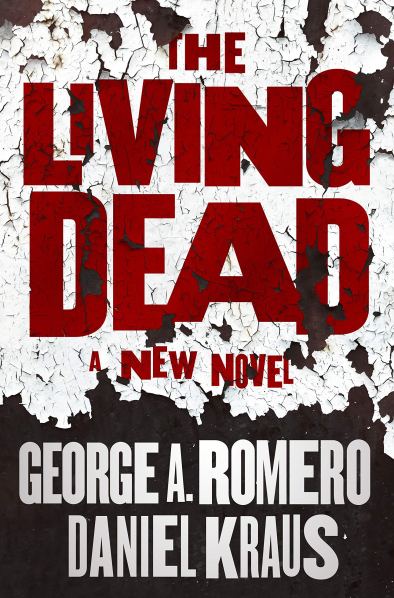 Zombies are one of my favorite horror story “monsters.” There’s something so haunting about a threat that is basically humanity but slightly… off. Zombies don’t have a motive; there’s no reason why they do the things they do. They simply operate off a basic needs-based system. They’re the very definition of id: they need to feed and they need to feed now. There’s something scary about a foe that looks exactly like us but cannot be reasoned with or stopped. But, all that aside, the most interesting thing about zombies is the way the stories that feature them force us to take a good look at ourselves. A common theme in most zombie stories is how the plague turns humanity into the real monsters. It’s one of my favorite tropes of the genre and something I love to see various storytellers sink their teeth into. Nobody was better at this than George A. Romero. His films pioneered the modern zombie genre by focusing their lenses on the intimate human stories rather than the epic, action-packed survival stories we might see today. Romero seemed most interested in how individual people react to zombies rather than what, specifically, caused them or how they might be defeated. It’s what made his films interesting and it’s what makes his novel, The Living Dead (completed by Daniel Kraus after Romero’s passing), interesting. The novel is more epic in scale than any of Romero’s films but feels no less intimate than the best of his work. It’s a brilliant achievement in the career of a man who had many brilliant achievements and it’s quite possibly one of the best zombie novels I’ve ever read. (4.5 out of 5 wands.)



 Thoroughly Modern Reviewer